


Staff member rides the length of Britain to support mental health and wellbeing
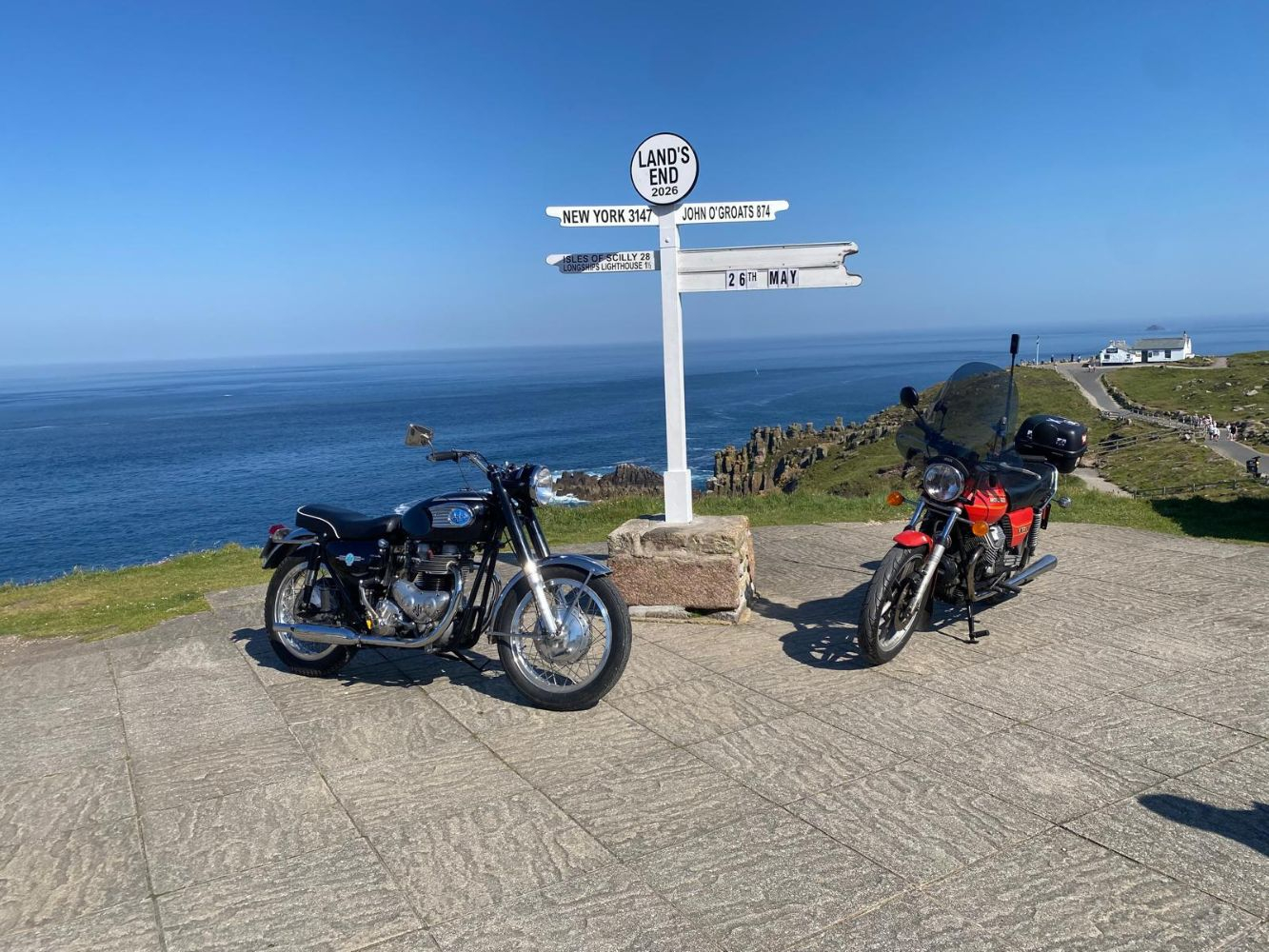
When Jeanette Bradley (Support and Operations Analyst, IT and Digital) set off on a motorcycle journey from Land's End to John O'Groats, she wasn't just taking on a personal challenge. She was raising awareness and funds for a cause close to her heart: supporting mental health and wellbeing within the motorcycling community.
What inspired you to take on the Land's End to John O'Groats challenge?
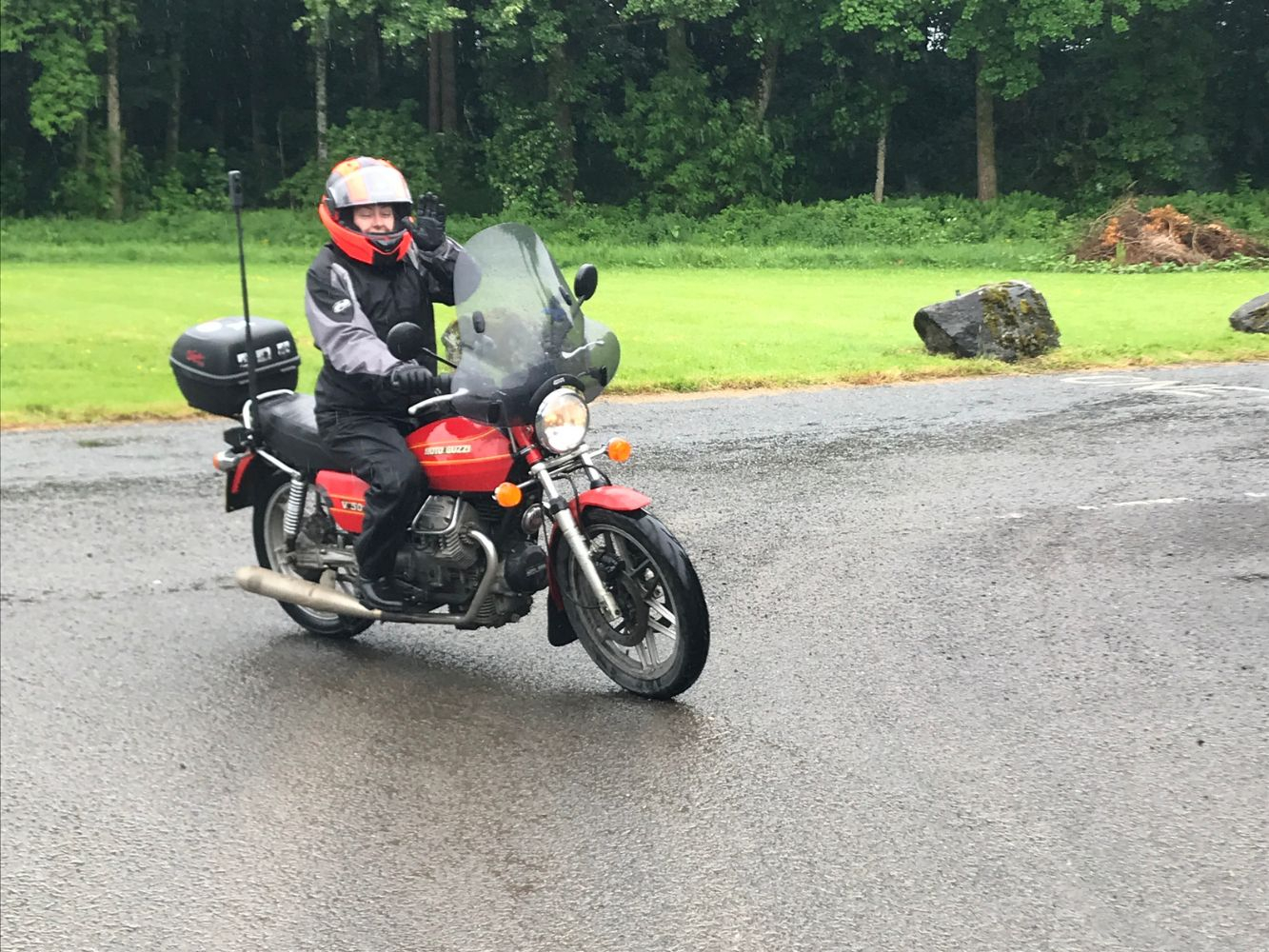
2026 is the 80th anniversary of the Vintage Motorcycle Club (VMCC). Born in 1980, the idea of riding the length of Britain on a bike from the same year felt like the perfect tribute. The challenge was finding a machine that suited my “duck‑syndrome” proportions — my bum is far too close to the ground for most bikes! Luckily, we sourced a Moto Guzzi V50. My husband Ross had a 1964 AJS Model 31; he won it in the owner’s club raffle a few years ago!
2026 is also the 50th anniversary of the Moto Guzzi Club GB and, through the Women Riders World Relay (WRWR), we were part of the first ever women-led Legacy Lap of the Isle of Man TT. I am an admin for the WRWR, and when the opportunity arose during our trip, we had to go.
What did completing the journey mean to you personally?
The journey was more than miles; it was about connecting with people as we went. Completing the trip gave me a sense of pride at knowing we had shared not only the road with others but also spoken about the Mental Health Motorbike charity.
It is still quite a new charity on the grand scheme of things, having only started in March 2020. Knowing they can now train more Mental Health first aiders to save the lives of fellow bikers because of the donations we continue to raise is amazing.
What was the biggest challenge you faced during the trip?
On day 7, coming back from Liverpool after the TT lap, we had an accident. At a mini roundabout, I braked sharply as I didn’t see a car approaching. Ross’ AJS front brake cable snapped, and his exhaust collided with mine. Ross’ bike wasn’t too bad, but all the welds on my exhaust had split. We were physically fine, just a few bruises and bumps, but my bike was not ridable.
The saving grace was being only an hour and a half from the only Moto Guzzi parts dealer in the UK, Gutsibits. We headed straight there the next morning, and they worked with Ross to build a “Frankenstein” exhaust as they did not have the correct parts for my bike. This took a few hours and did mean we missed the day's ride and had to head straight to our next stop, but we were able to carry on and finish the journey.
Do you have a favourite memory or standout moment from the journey?
Taking part in the Legacy Lap was surreal. The atmosphere was electric: excitement, nerves, pride, and history in the making. Seeing the faces of the girls and young ladies as we went round was almost enough to make me cry. They were waving and cheering us round. We were only on the Isle of Man for less than 36 hours and managed to miss all the racing but wouldn’t have missed it for the world!
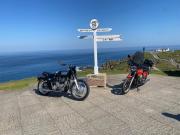
Why was supporting Mental Health Motorbike important to you?
Mental Health Motorbike provides vital peer support, community, and crisis assistance to those facing mental health challenges. The biking world is full of people who quietly carry heavy burdens, and we wanted our ride to help them feel seen, supported, and valued while raising money to subsidise training future Mental Health First Aiders. We never know when we, or someone we know, may require their assistance. My JustGiving page is still active: Jeanette Bradley is fundraising for Mental Health Motorbike.
How do you think activities such as motorcycling, outdoor adventure or physical challenges can contribute to positive mental wellbeing?
Any hobby that makes you happy, keeps you active and pushes your boundaries will contribute to positive mental wellbeing. It gets the endorphins going, and you look at challenges from a different perspective after a ride.
In a car, it is easy to switch into autopilot; on a bike, you are immersed in the sounds and smells. Whether riding on your own or with others, there is a community feel. Seeing a nod or a wave from a fellow biker lets you know you are included; you are not alone. It is the same with most other outdoor pursuits.
What conversations about mental health did this fundraising effort help to spark within your community?
When I first mentioned Mental Health Motorbike as our chosen charity, I did get advised by someone that motorbikers don’t have mental health issues; we just go for a ride, and everything is better. I don’t believe this is true and will keep talking to other bikers about the charity, so it is there if/when they need it.
Because mental health is such a personal thing, a lot of us feel we are struggling alone. Please don’t; reach out to either someone you know or a charity like Mental Health Motorbike.
What do you hope people take away from your fundraising efforts and story?
I hope it helps the bikers and their families to know there is a charity there for them with volunteers ready to assist in a nonjudgmental way. On the other side of that, if you want to become a Mental Health first aider for the charity, the course cost is £50 instead of around £325. This is only possible because of donations like those we are still collecting via our JustGiving page.
What advice would you give to someone considering taking on a challenge in support of a cause they care about?
Do it! Talk to someone about it and put the intention out there. Once people know they can assist you, or tell you that you are mad, but do it anyway. Charities always struggle, but even more so with the cost-of-living crisis. Any donations you raise, no matter how small, will mean a lot.
Raising money for a charity is a great way to do something you wouldn’t normally do. Over the last 10 years, I have raised money for various charities by skydiving, walking the Deeside Way in a day and now riding the length of the country. If you want to share your charity dream with someone you don’t know, get in touch.


