


Delegation from RGU contributes to two major events in Reykjavik
October started busy for an RGU team from Research, Innovation and Enterprise (RIE), Aberdeen Business School (ABS) and the School of Pharmacy, Applied Sciences and Public Health (SPASPH), contributing to two major events in Reykjavik, Iceland.
Nordic Symposium
The week began at the 34th Nordic Symposium on Tourism and Hospitality Research, an annual gathering of researchers and practitioners from across the Nordic region and beyond.
RGU was well represented, with Steve Harbert presenting on 'From Sustainable Tourism Knowledge to Workplace Practice: The Role of Virtual Exchange (COIL)', Dr Anne Singleton presenting on 'Micro, Small and Medium Food and Drink Producers: Place, Culture and Community in North-East Scotland', and Dr Alöna Roitershtein chairing a session on 'Community-centred and Place-based Regenerative Cultural Tourism in Northern/Arctic Rural, Island and Peripheral Communities' within the programme.
Discussions explored a wide range of issues affecting tourism destinations and communities, including sustainability, destination management, visitor experiences, tourism education and future skills.
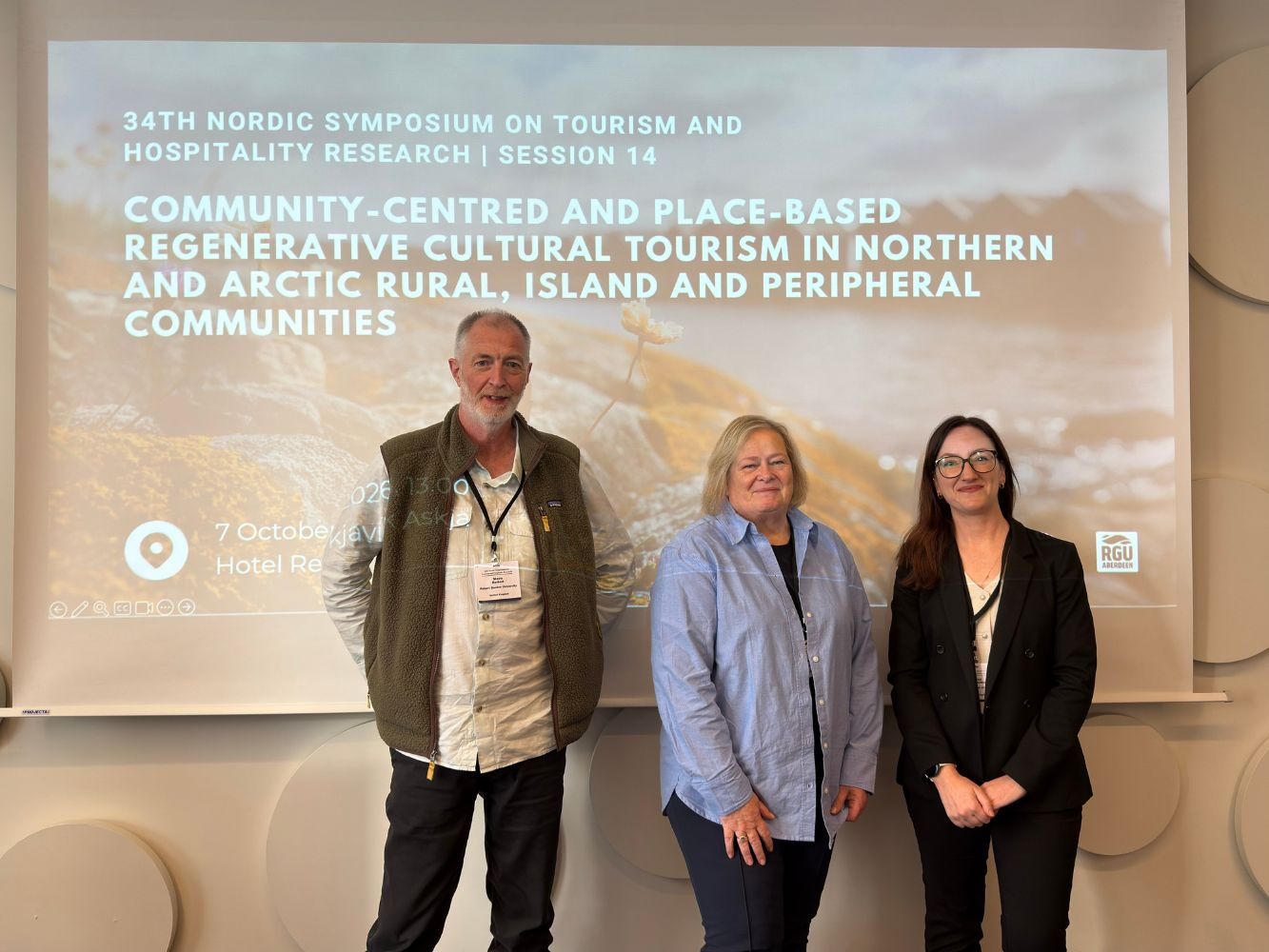
Beyond the presentations themselves, the symposium provided a valuable opportunity to reconnect with longstanding collaborators and strengthen RGU's international networks. The event highlighted the strong relationships that have been built over many years between RGU researchers and the Nordic tourism research community, with colleagues and partners from across the region continuing to collaborate on shared challenges and research interests.
It was also an opportunity to catch up with former RGU colleagues, including researchers now based at the University of Waterloo in Canada, and to explore future opportunities for collaboration.
As one of only a small number of Scottish institutions represented at the symposium, RGU was able to contribute a Scottish perspective to discussions around tourism, regional development and community resilience. Many conversations focused on challenges familiar to Scotland's rural, island and peripheral communities, reinforcing the value of sharing experiences and learning across northern regions.
It was encouraging to see how closely the themes of our RGU contributions reflected wider discussions across the symposium. From Steve's work on translating sustainability knowledge into practice through international virtual exchange, to Anne's research on the connections between food, place and community in North-East Scotland, and our discussions around regenerative, community-centred tourism, there was a shared focus on ensuring tourism delivers meaningful benefits for people and places.
Arctic Circle Assembly
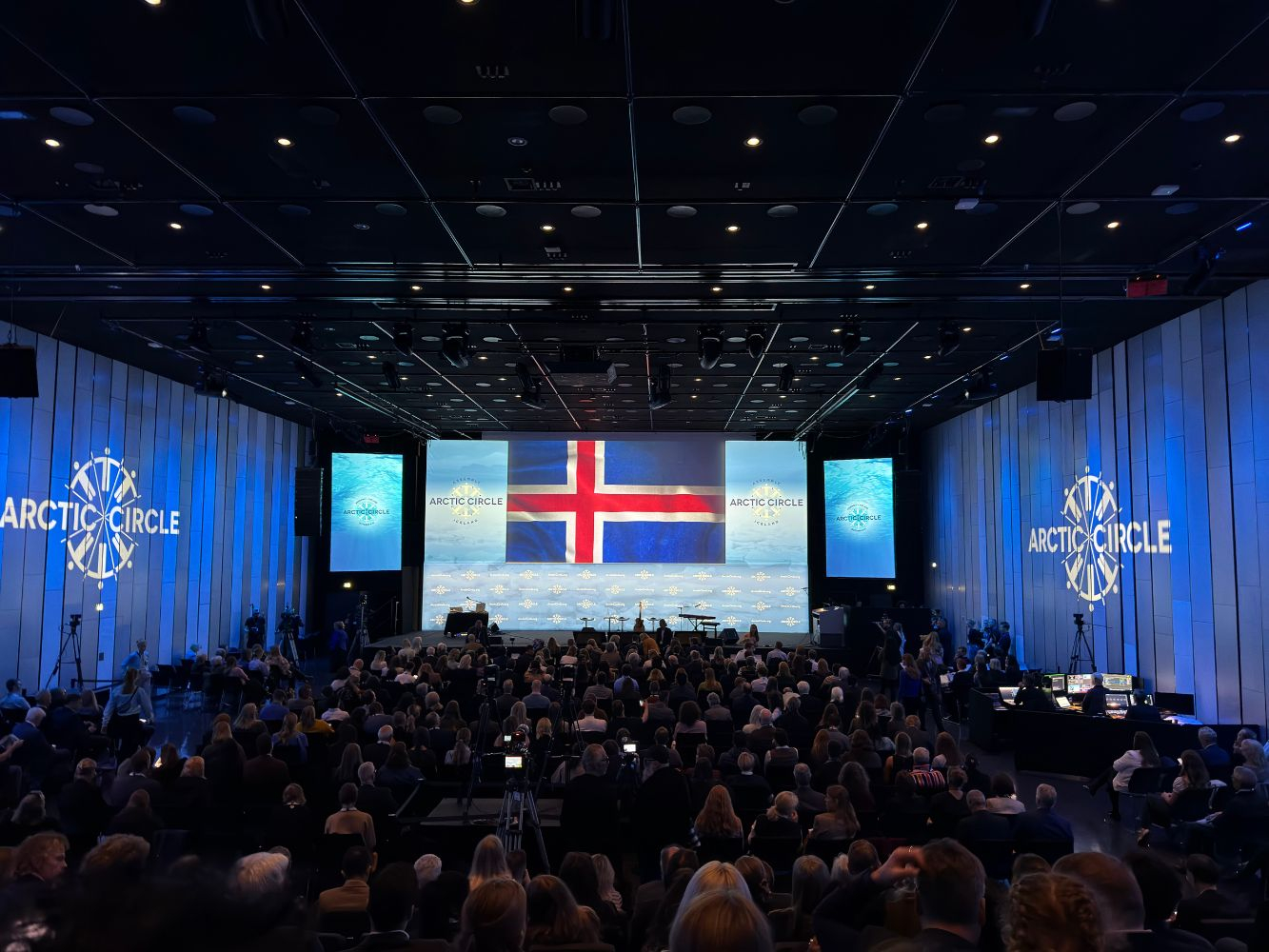
Plenary session at the Arctic Circle Assembly 2026. Photo credit: Alöna Roitershtein.
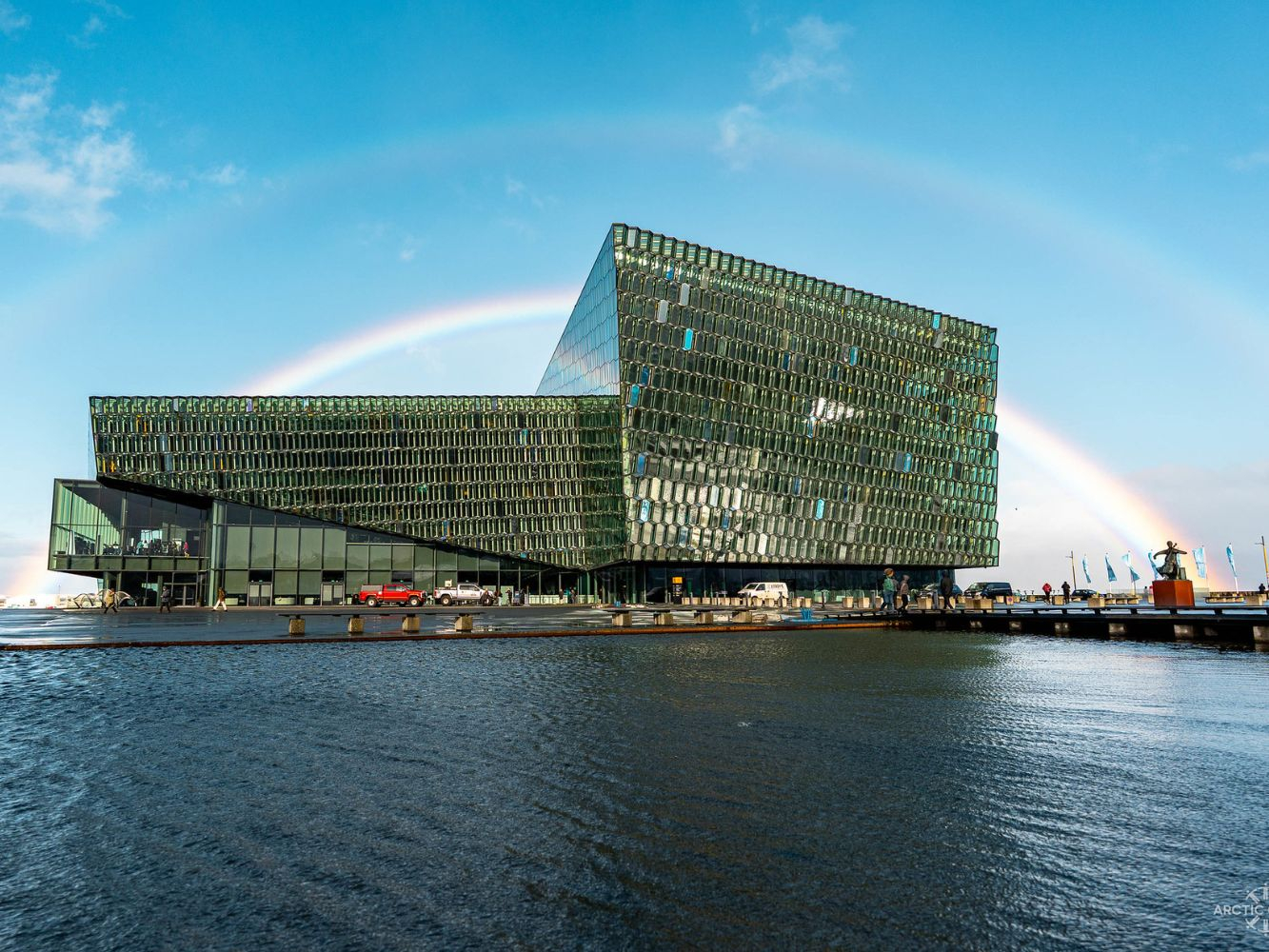
Following the symposium, Alöna Roitershtein (RIE), Prof David Gray (ABS) and MRes student Rangika Piyadigamage (SPASPH) attended the Arctic Circle Assembly, the world's largest annual gathering focused on Arctic affairs. Hosted in Reykjavík's Harpa Concert Hall, the event brought together researchers, policymakers, Indigenous representatives, businesses and community leaders from across the Arctic and beyond.
A highlight of RGU's contribution to the event was Rangika’s presentation 'From Crustacean Shell Waste to Antimicrobial Chitosan Nanomaterials', as part of the International Graduate Research Student Cohort (IGSRC). IGSRC is an eight-month Collaborative Online International Learning (COIL) programme bringing together students from Scotland, Iceland, Norway, Canada and the United States to explore challenges and opportunities for the Arctic Blue Economy, culminating in student presentations at the Arctic Circle Assembly.
Rangika reflected of her experience:
"As a student, it was a great opportunity to connect with peers from across the world, and discussing Arctic challenges together reminded me how important it is to look at these issues globally. Hearing different perspectives scientific, cultural and community based made the conversations richer and showed the real value of bringing young people into these spaces.
"The Iceland Ocean Cluster reception also allowed us to connect with faculty and discuss real Arctic challenges, highlighting again how valuable young researchers are in shaping future solutions. As a scientific researcher, I also felt how important it is for researchers everywhere to engage with these global conversations.
"Overall, the experience demonstrated how meaningful youth participation can be when our voices are genuinely heard and included."
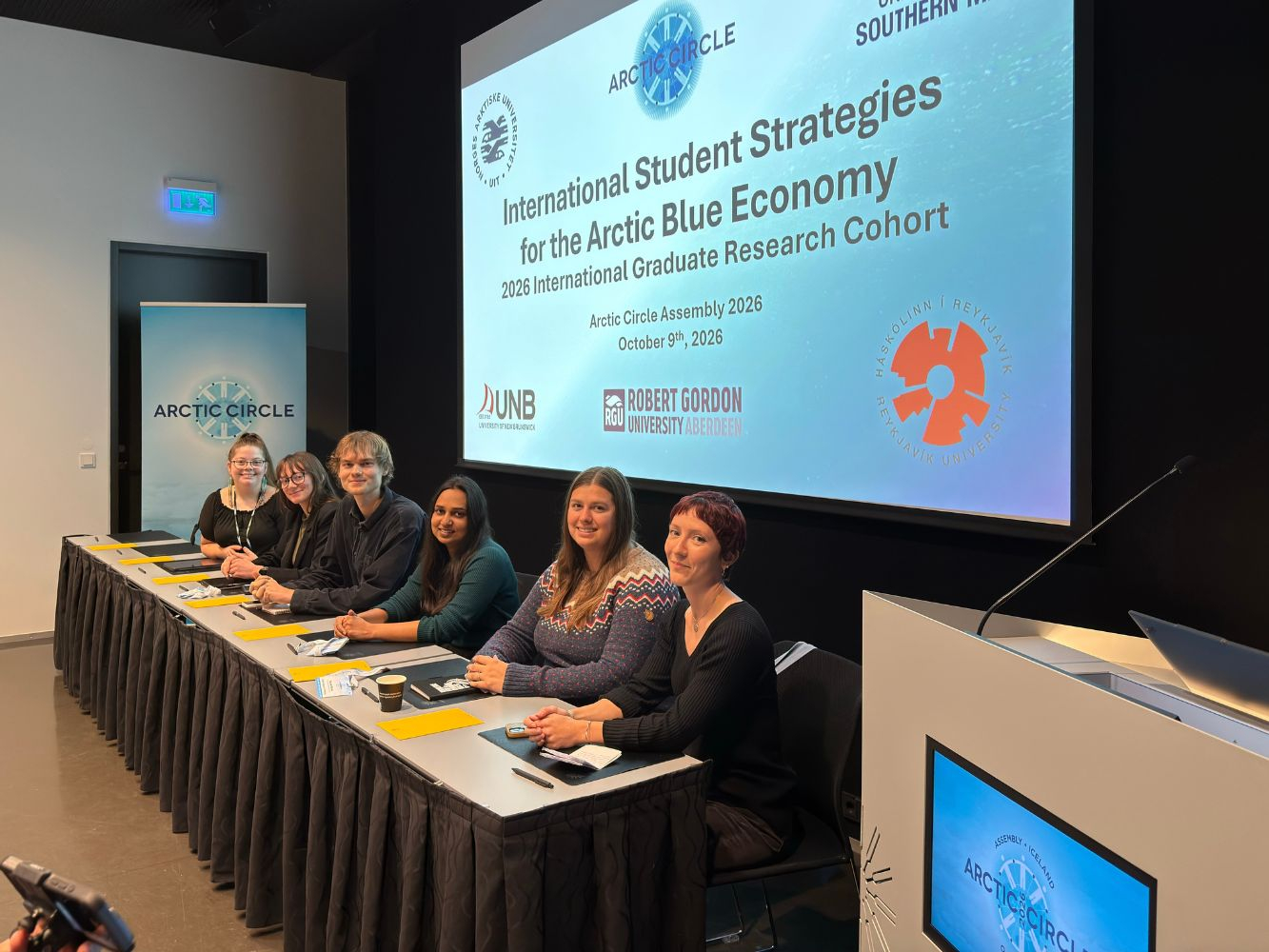
The IGSRC project concluded with a warm and welcoming reception at the Iceland Ocean Cluster, where students reflected on their experiences over the previous eight months and shared their work with guests from academia, industry and government.
The RGU team was joined by Dag Rune Olsen, Rector of UiT The Arctic University of Norway, alongside Inga Burton and John Ross Scott from Orkney Islands Council, to celebrate the students' achievements and the culmination of this year's programme.
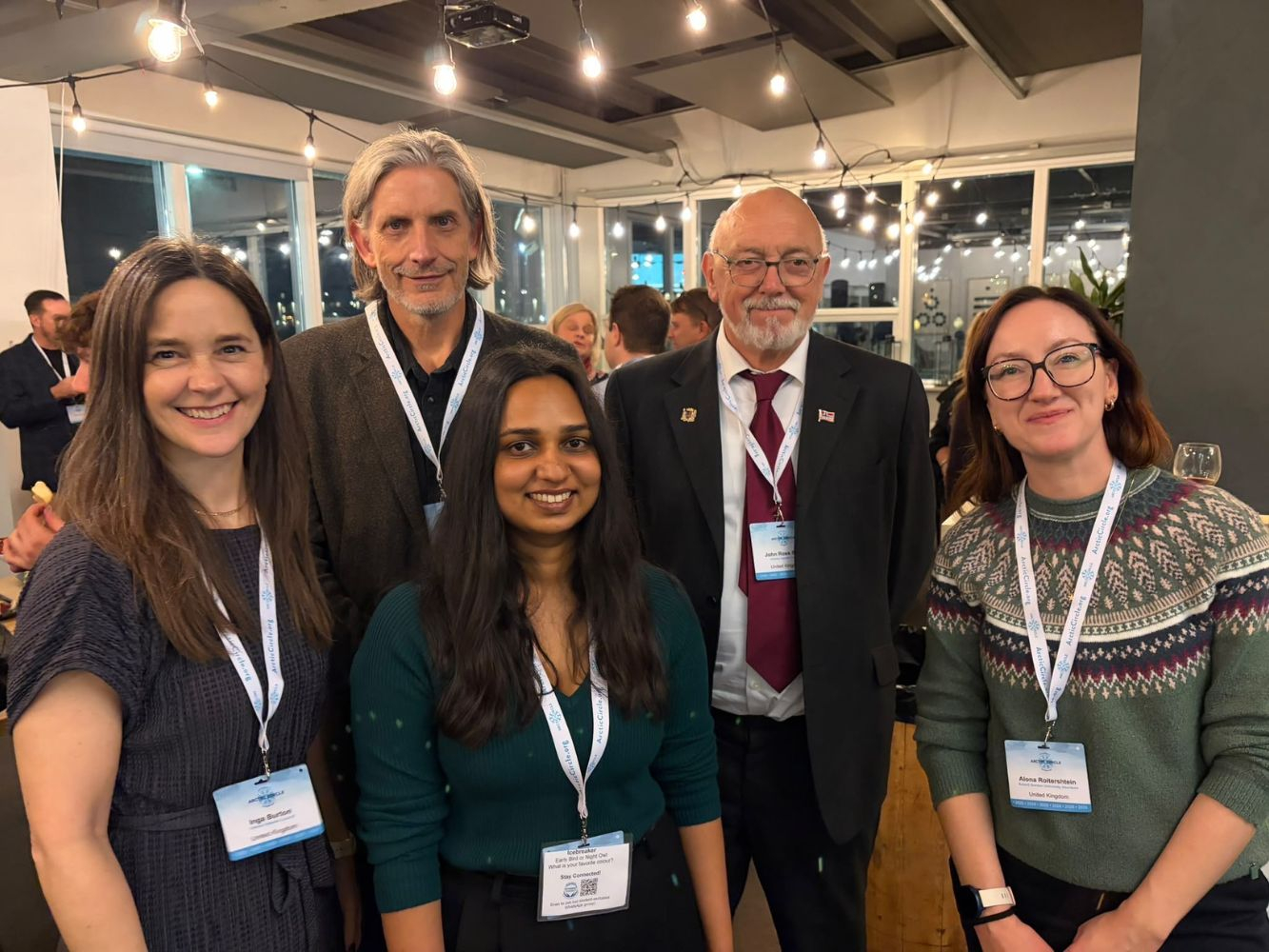
The Assembly provided an opportunity not only to showcase RGU expertise but also to engage with emerging Arctic priorities and strengthen connections with partners across the North. It explored a wide range of topics, including innovation and entrepreneurship, healthcare, renewable energy, tourism, Indigenous knowledge and future research priorities.
Across many of these discussions, a common theme emerged: how remote and peripheral communities can build local capacity and remain active participants in shaping their own futures. Universities were frequently highlighted as important partners in supporting innovation, skills development and place-based solutions.
As the only Scottish university represented through the Scottish Arctic Network (ScAN), RGU was able to contribute a Scottish perspective to discussions on regional development, community resilience and collaboration across the circumpolar North.
Elsa Cox, Orkney Development Manager and ScAN steering group representative, reflected on RGU’s participation:
"Engaging in the Arctic Circle Assembly and the Nordic Symposium brings significant benefits for Scotland, creating opportunities to share knowledge, strengthen international partnerships and learn from regions facing many of the same challenges as our rural and island communities.
These connections raise RGU’s international profile and build future collaboration, research and investment opportunities across Northern and Arctic regions."
Together, the Nordic Symposium and Arctic Circle Assembly highlighted the value of international collaboration in addressing shared challenges facing island, rural and remote communities. The two events also reinforced RGU's growing role within Nordic and Arctic networks, creating opportunities for future research, education and partnership activity.

