Lifting the lid on Aberdeen's grim past
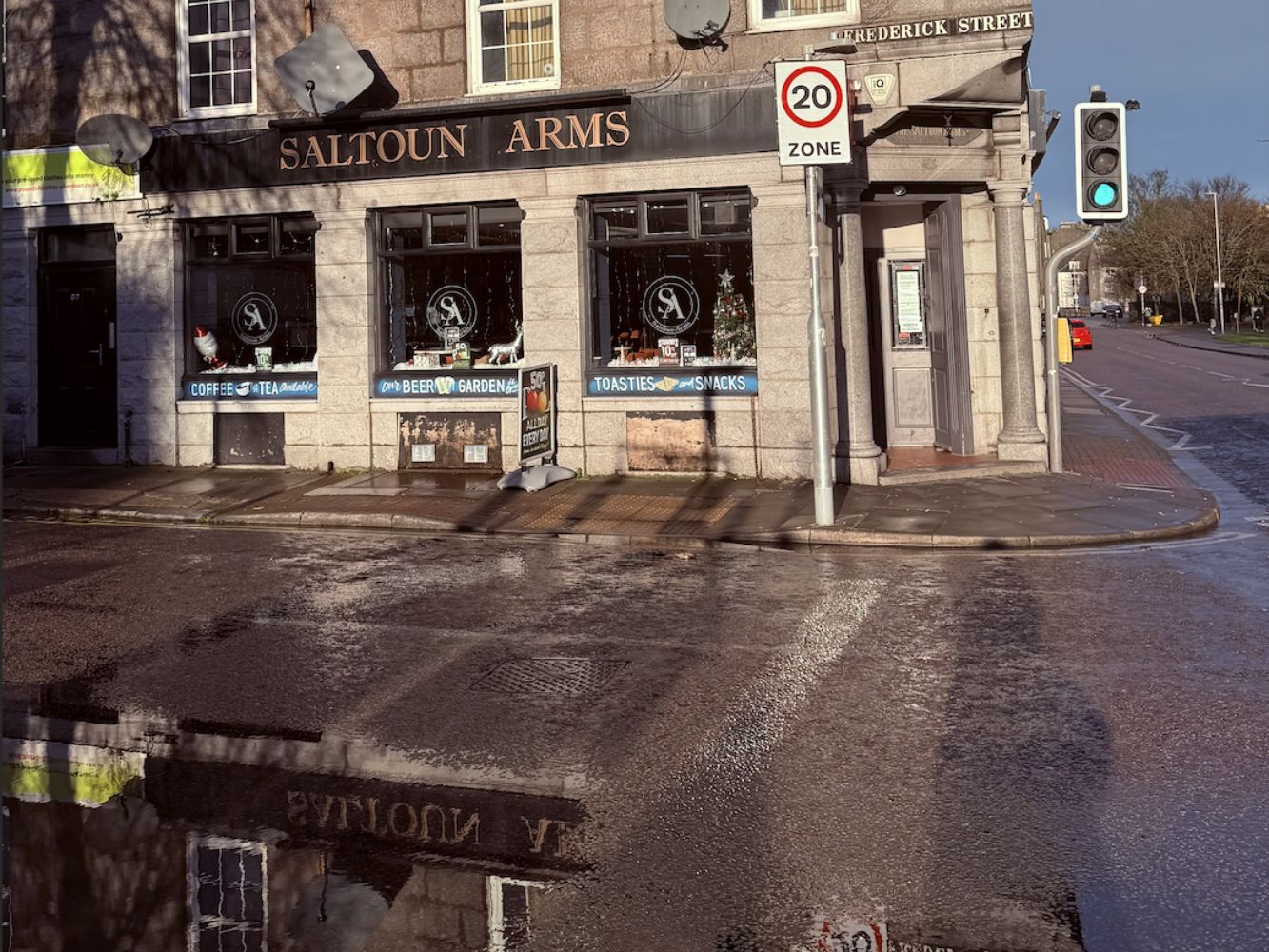
January in Aberdeen is gloomy. It was, perhaps, this bleak unrest which had settled in the heart of James Harrow on the night of 9th January of 1901 when he was heading to The Saltoun Arms on Frederick Street. Mere minutes attack two fellow workers, William Tastard and ‘Jeek’ Rae, from the nearby Wales Street slaughterhouse.
A third man, David Ewing, endeavoured to intervene and suffered deep lacerating wounds for his troubles. Rae fled as Harrow attempted to cut him, Tastard died at the scene, and Ewing succumbed to his injuries four days later. This is where we begin the RGU Crime Files podcast, with the story of the Murder at the Saltoun Arms.
What’s most intriguing about this case – and what we discuss in depth in the episode – are the social and legal questions raised by the court’s finding that James Harrow was, in fact, ‘insane’. How does a finding of insanity in a murderer of 1901 shape how we understand guilt and culpability for a crime today?
Not far away are Aberdeen’s former sites of punishment. Heading Hill and Castlehill have both fallen into invisibility now - where there were once hangings and beheadings there sits only a housing estate. But the ripples of these sites’ bloody history remain present in the nearby street names – in particular Justice Street, the route condemned prisoners would have taken on the way to their execution. Castlehill holds an especially solemn place in Scottish history. In 1597, 27 people - mainly women – were burned alive, executed as witches amid a paranoia that spread throughout the country. This sort of panic is not exclusive to the ‘dark’ times of the sixteenth century and in Episode 4 we explore how society enables persecution and oppression of those thought at odds with the status quo – then and now.
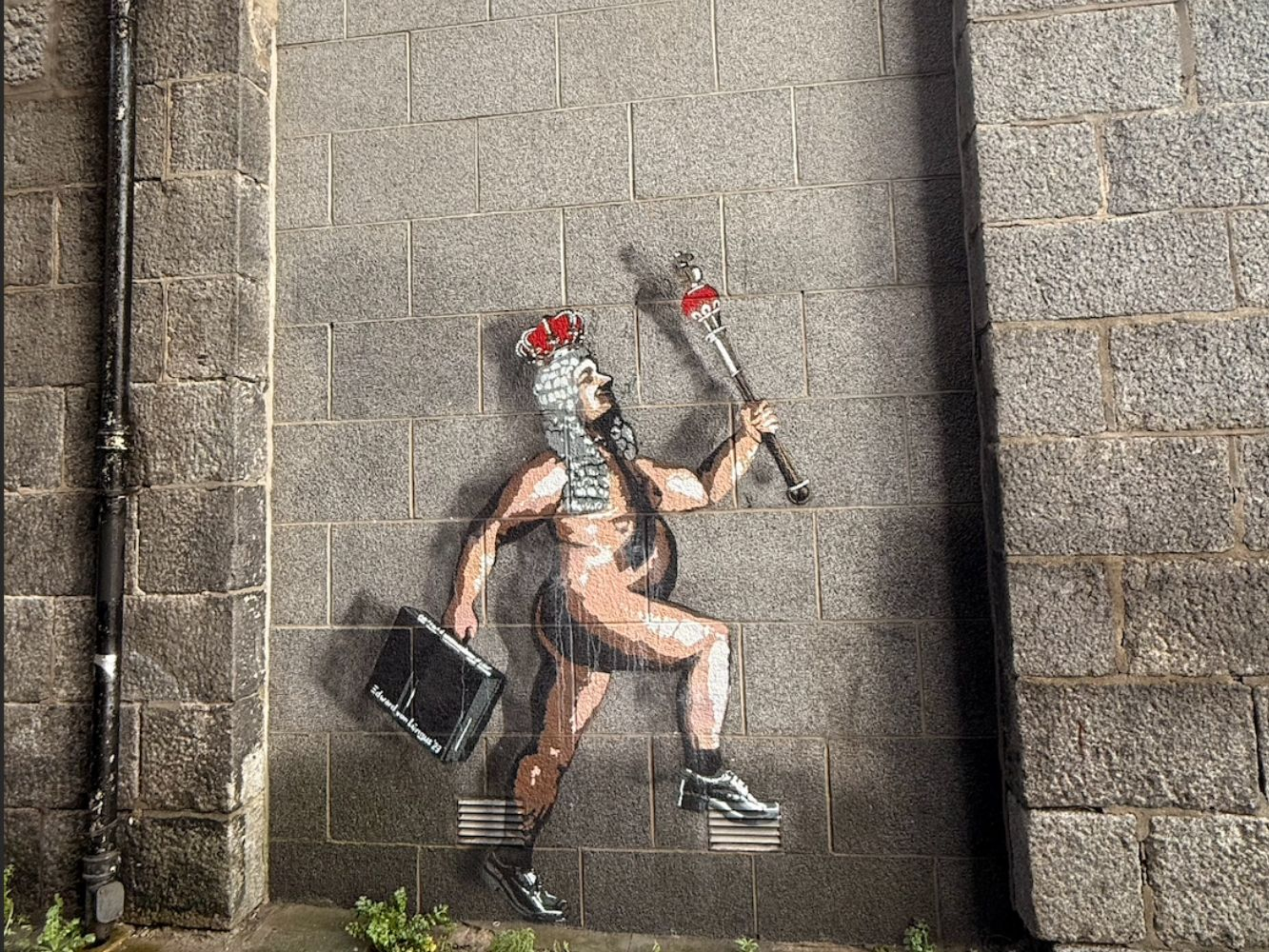
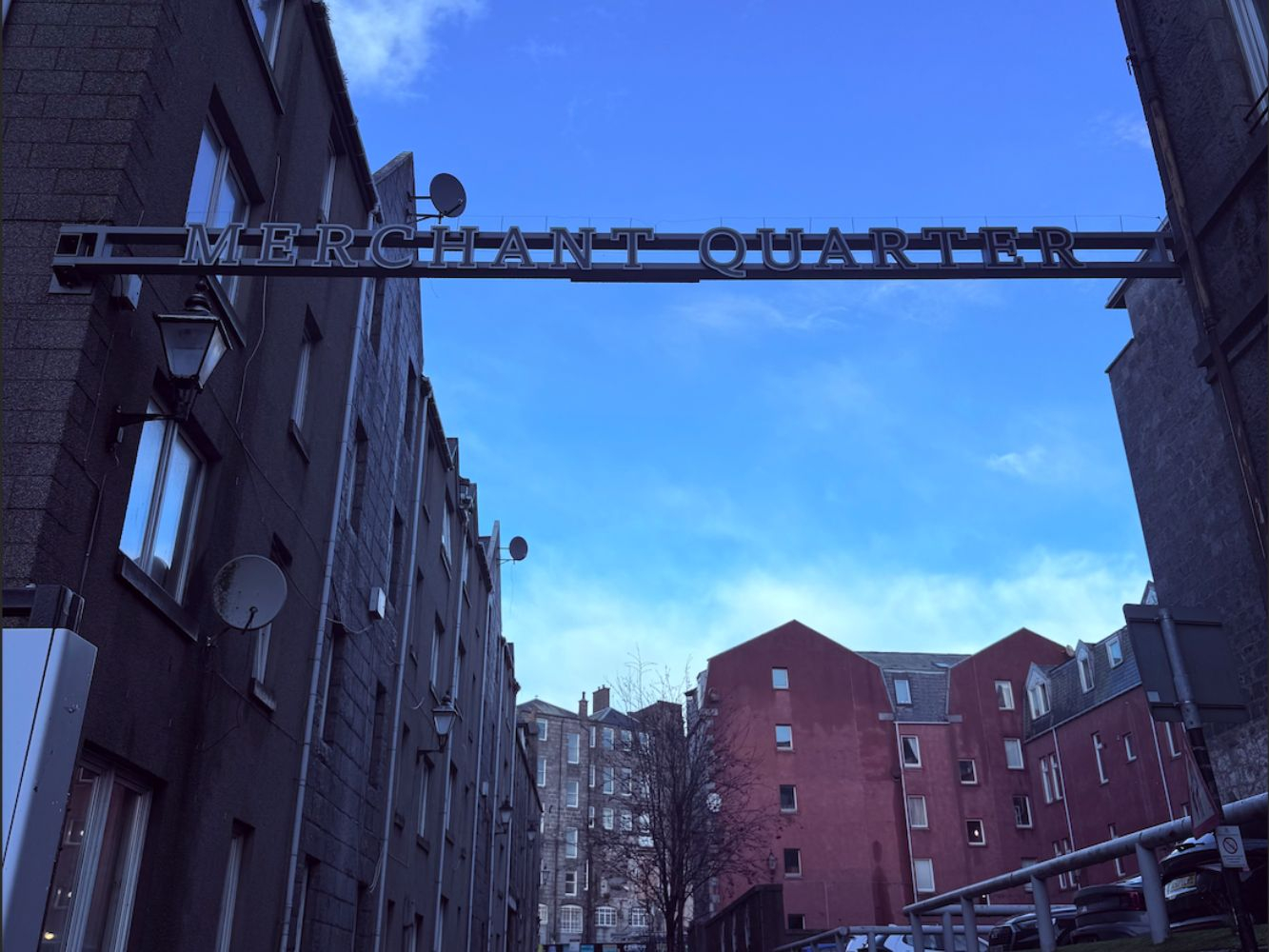
If you trek further into the city centre and just off Union Street, you’ll come to The Green. In 1740 you may well have been hurrying past the fishwives, cloth merchants, and street hawkers, and while doing this you’d find you’re being serenaded by bagpipes. They’re loud and they dominate the air – indeed, you can’t hear much else. Except – maybe – you think, if you strain a little, that actually you can hear something. A feeble whimper coming from deep inside some basement building: the unmistakeable cry of a distressed child. Or, moreover, children – because it is on The Green that hundreds of children were imprisoned in the 1740s. Tricked or forced away from their families, with the complicity of the city’s leading merchants and magistrates, they were sold into indentured servitude in the American colonies. Reportedly, the merchants paid a piper to play outside the building to drown out the children’s cries.
Just as the merchants of eighteenth-century Aberdeen profited from the criminality of child kidnapping, so today crime remains big business. Now, however, there are not only the illicit gains to be made in the undertaking of criminal acts, but in the true crime podcasts, documentaries, drama adaptations, walking tours, merchandise, and internet sleuths who entice audiences with the lure of the gruesome, the macabre, and the viscerally shocking.
In RGU’s BA Criminology course we examine the social injustices that can lead to crime, the moral and ethical value systems which underpin the legal penalties for crime, and how forensic science lets us tell the story of crime. But we also think about how crime suffuses our culture and media, how ideas of deviancy and strangeness pervade our social comprehension of what and who is ‘criminal’. These are ideas you can begin to explore in our podcast, RGU Crime Files, where we take a legal, cultural, and sociological overview of some landmark Aberdeen crimes and horrors to tease out how social inequalities, an eye to profit-making, and - above all – a desire for power and privilege can lead to the worst of human actions.
Listen to RGU Crime Files on: